


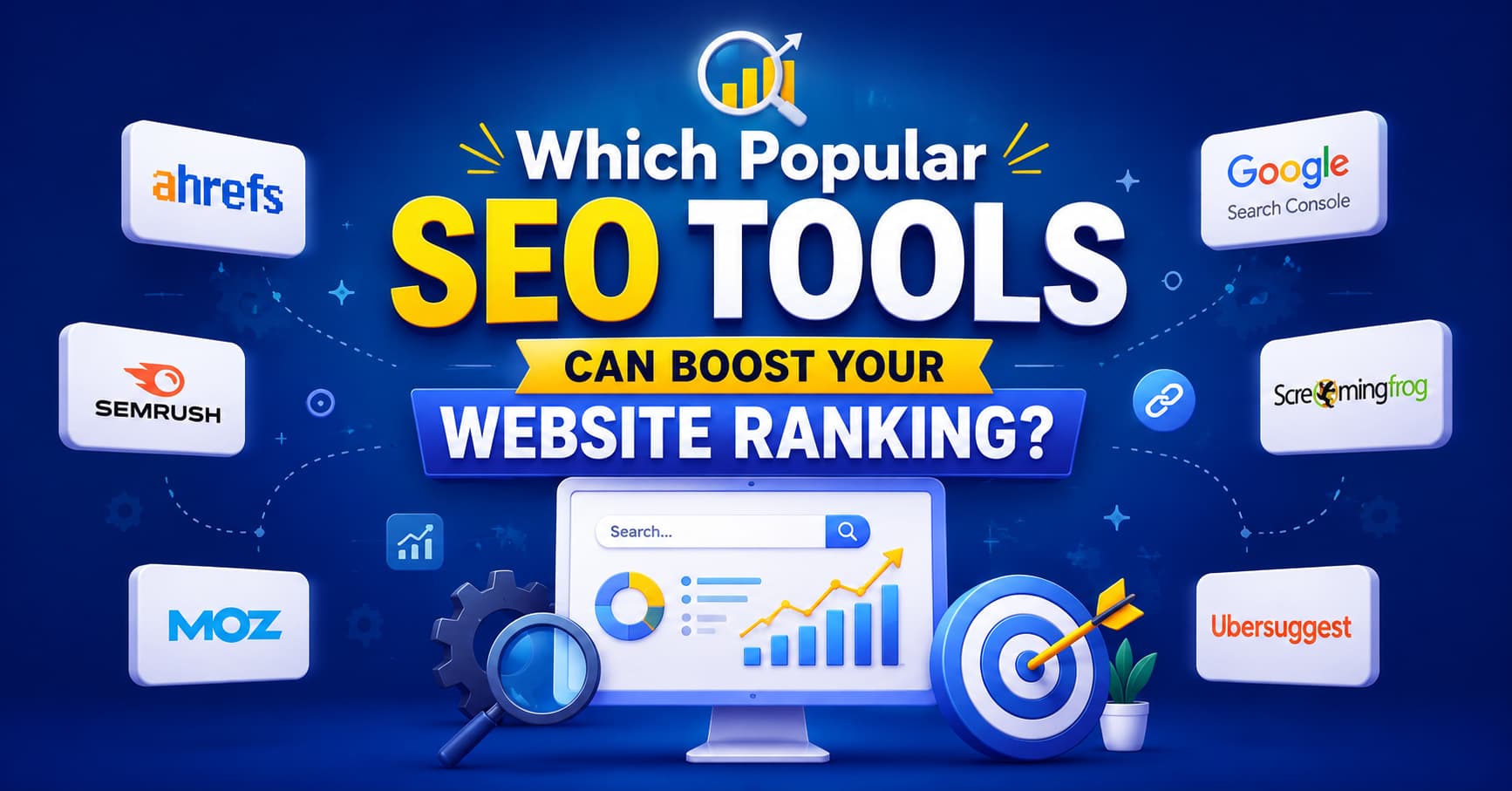
Which Popular SEO Tools Can Boost Your Website Ranking?
Search visibility today depends on far more than stuffing a page with keywords. Search engines now weigh whether the content behind a page comes from someone with real, first-hand experience, whether that person or brand demonstrates genuine expertise, whether other credible sites vouch for them, and whether the information holds up as consistently trustworthy across the web.
On top of that, a growing share of searches are answered directly on the results page itself, and AI chat assistants now summarize entire topics by citing only a handful of sources instead of sending a click at all. Knowing which popular SEO tools actually help you compete in this environment rather than just tracking a position number makes a real difference in how well your site performs.
This article walks through the most popular SEO tools available today, what makes them worth using, and how to combine them into a strategy that covers keyword research, technical health, and content quality all at once. We’ll also look at free and paid options, a detailed features breakdown, the benefits and limitations of relying on these platforms, and five common questions people ask when choosing among popular SEO tools for their own website.
Why Popular SEO Tools Matter More Than Ever
A decade ago, ranking well mostly meant targeting the right keywords and building enough backlinks. That’s still part of the picture, but it’s no longer the whole story. Search engines increasingly reward pages that show real, demonstrated experience with a topic, clear subject-matter knowledge, credible references from other reputable sites, and information that stays accurate and consistent everywhere it appears. The popular SEO tools worth using today are the ones that help you prove this kind of credibility, not just chase a higher position for its own sake.
There’s also a structural shift in how people actually search. Many queries never produce a traditional list of results at all; instead, the search engine pulls a direct, self-contained answer from a source and displays it right on the page. Showing up in this format requires content that’s organized around clear questions, short and direct explanations, and headings that map to how people actually phrase what they’re looking for. The most popular SEO tools have started building features specifically to check whether your content is structured this way, because ranking well in a traditional sense doesn’t guarantee visibility in a direct-answer result.
Layered on top of that is the rise of generative AI assistants that answer questions by summarizing the web and citing a small set of trusted sources as they do it. Earning a mention inside one of these AI-generated summaries depends on being referenced consistently across credible sites, having accurate facts about your brand repeated in places these systems already trust, and publishing content that reads as authoritative even to a system that never sends a visitor to your page at all. Some of the more popular SEO tools are now tracking this kind of visibility too, not just traditional rankings, because being “found” today means more than holding a spot on a results page.
The Most Popular SEO Tools to Boost Your Website Ranking
Below is a rundown of the popular SEO tools most commonly used by marketers, agencies, and site owners, spanning keyword research, technical audits, and content optimization.
1. Semrush
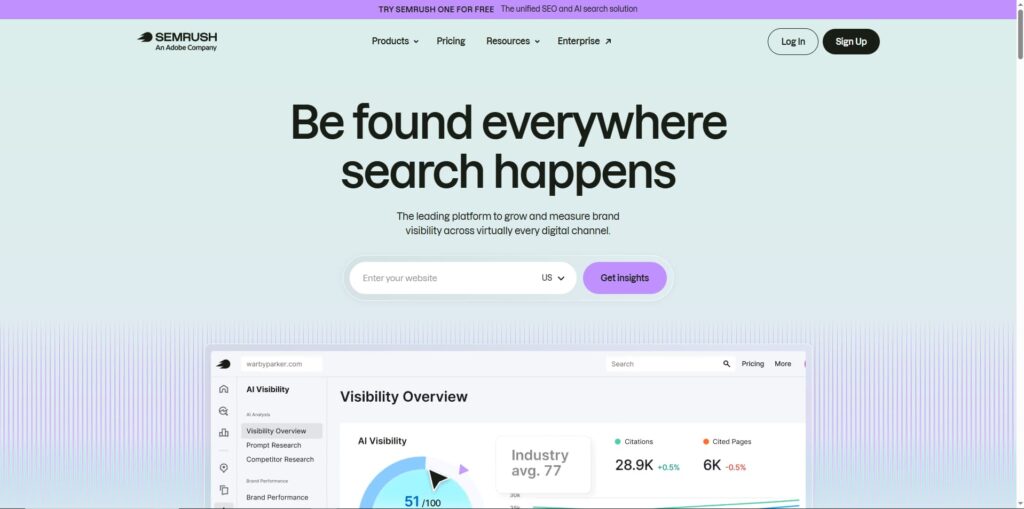
Semrush is consistently ranked among the most popular SEO tools because of how much ground a single subscription covers keyword research, competitive analysis, backlink auditing, rank tracking, and technical site audits all in one dashboard. Its keyword research search volume data is pulled from a large, regularly updated index, giving marketers a reliable sense of how much demand exists for a given term before committing content resources to it. For agencies managing several client sites, Semrush is often the default choice among popular SEO tools.
2. Ahrefs
Ahrefs pairs one of the largest independently crawled backlink indexes with its own Keywords Explorer, which shows keyword research search volume alongside click-through rate estimates and difficulty scores. Its Content Gap tool reveals keywords a competitor ranks for that your site doesn’t, making Ahrefs one of the more popular SEO tools for teams focused on closing competitive gaps.
3. Google Keyword Planner
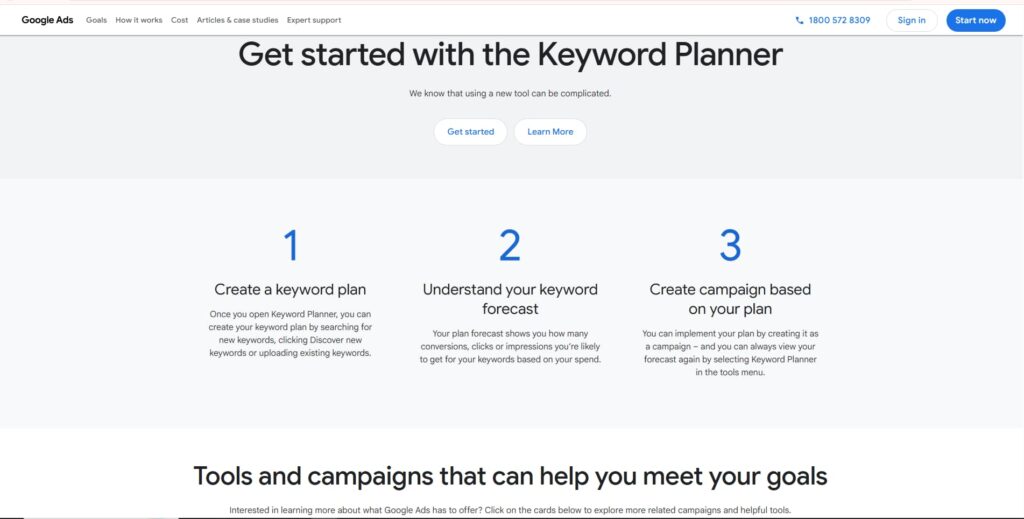
Originally built for advertisers, Google Keyword Planner remains one of the most popular SEO tools for keyword research because its data comes directly from Google’s own search volume figures. It’s free with a Google Ads account and gives a solid baseline for keyword research search volume, even if the ranges it provides are broader than some paid alternatives.
4. Google Search Console
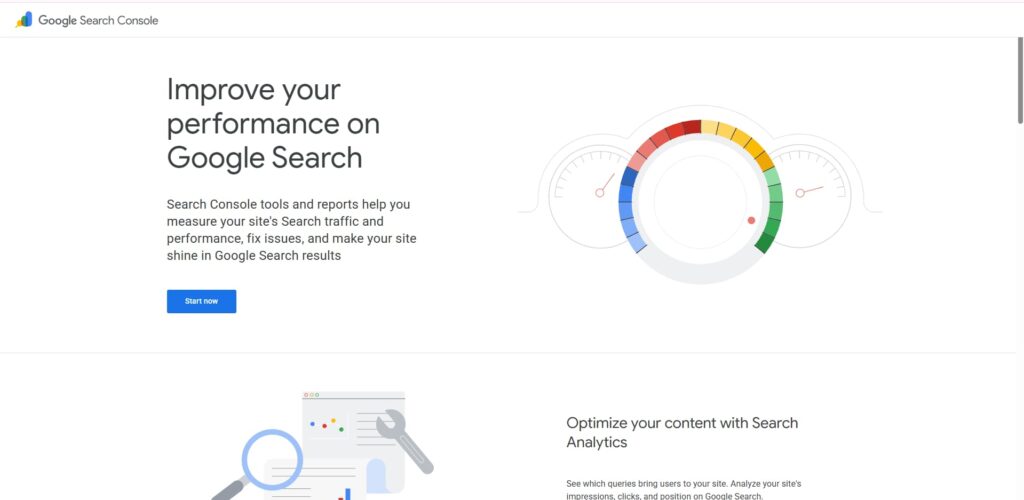
Google Search Console is free and shows real impressions, clicks, and average position for every query your site already appears for data no third-party tool can fully replicate since it comes straight from Google. It’s one of the most popular SEO tools precisely because it’s the only source giving you first-party confirmation of how your site is actually performing.
5. Ubersuggest
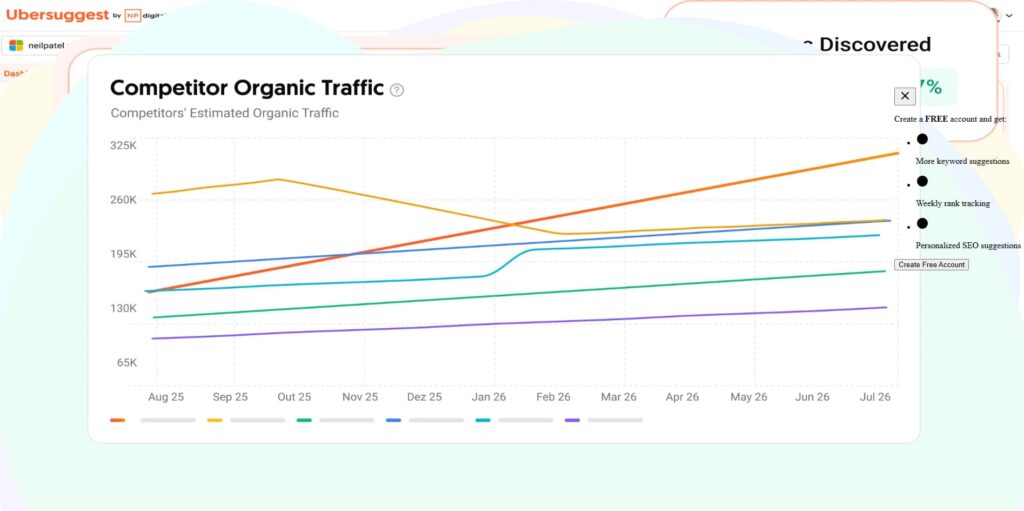
Ubersuggest is often considered the best keyword search tool for beginners who aren’t ready to invest in a paid platform. It offers keyword suggestions, basic keyword research search volume estimates, content ideas, and a lightweight site audit, making it accessible without a steep learning curve.
6. Moz Keyword Explorer
Moz’s Keyword Explorer is frequently cited as the best keyword search tool for marketers who want a clear, well-organized interface. It groups related keywords by topic, estimates keyword research search volume and difficulty, and includes a “priority score” that blends volume, difficulty, and click-through potential into one number.
7. Answer The Public
Answer The Public visualizes the actual questions people type into search engines around a given topic, organizing them into clusters based on how the query is phrased “what,” “how,” “why,” and so on. This makes it especially useful for structuring content that can be pulled directly into short, direct-answer results, since it shows the exact language real users search with.
8. Screaming Frog SEO Spider
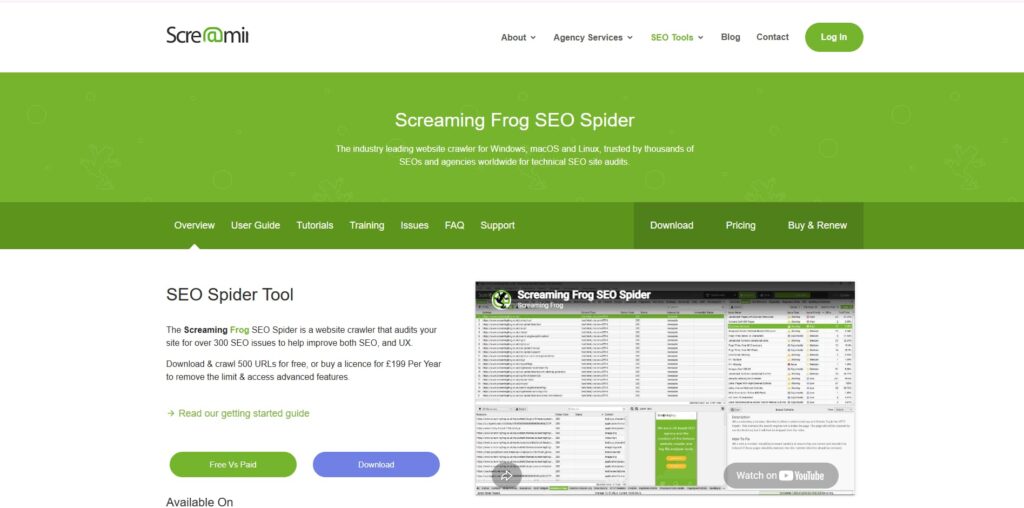
Screaming Frog crawls a website the way a search engine bot would, surfacing broken links, duplicate title tags, missing meta descriptions, and thin or orphaned pages. It’s one of the more popular SEO tools for technical audits because the free version covers up to 500 URLs at no cost.
9. Surfer SEO
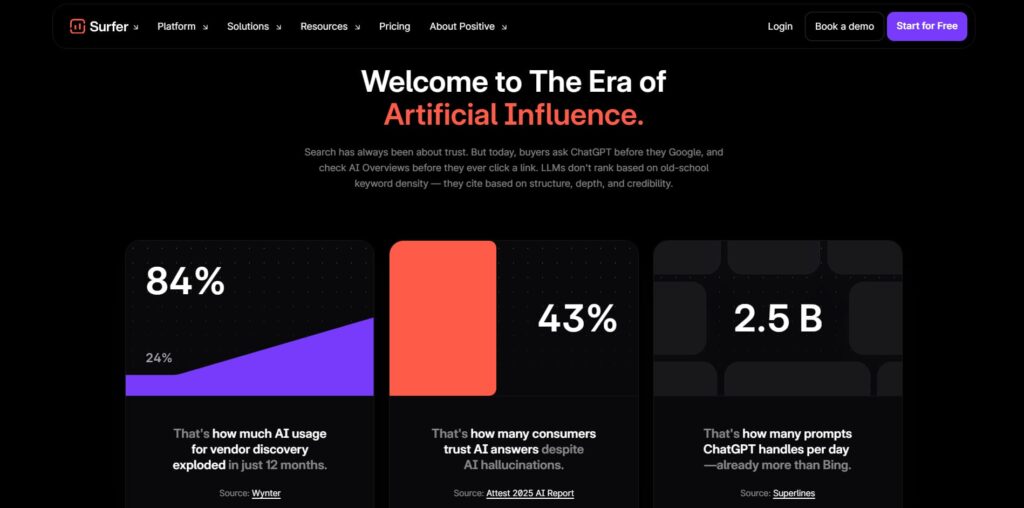
Surfer SEO analyzes top-ranking pages for a target keyword and produces a content brief recommended word count, heading structure, and keyword usage designed to match or beat what’s already ranking. It doesn’t handle keyword research search volume itself but pairs well with a dedicated research tool to close the loop between finding a keyword and writing content that can actually rank for it.
10. Yoast SEO / Rank Math
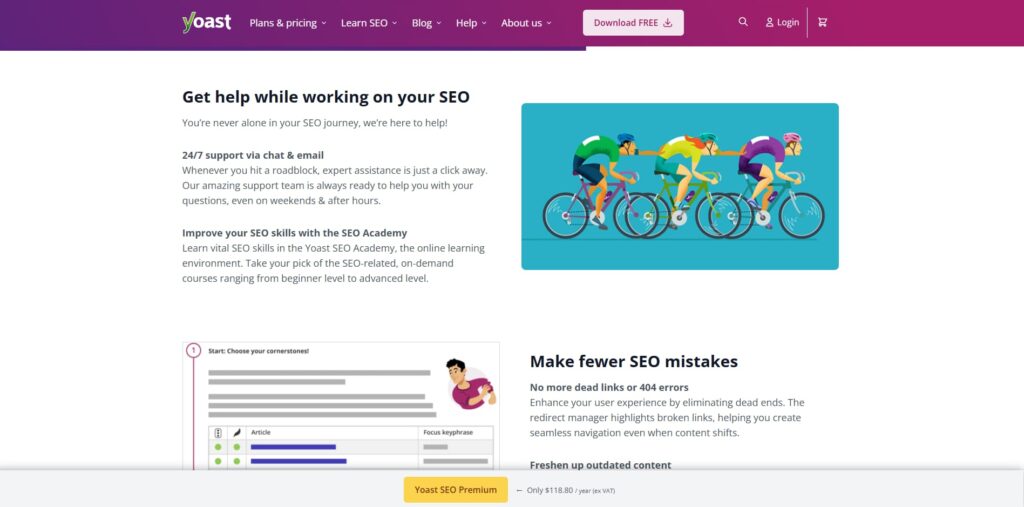
For WordPress users, Yoast SEO and Rank Math guide on-page optimization in real time as content is written, checking keyword placement, readability, and internal linking. Both are among the most popular SEO tools for content creators specifically because they integrate directly into the publishing workflow rather than requiring a separate dashboard.
Benefits of Using Popular SEO Tools
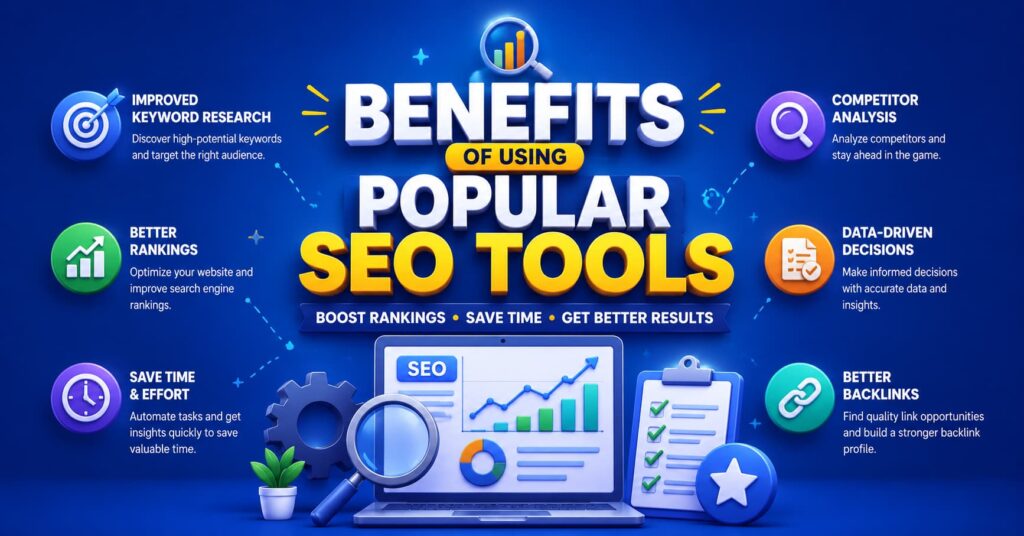
- Reliable keyword prioritization:- Popular SEO tools give you actual keyword research search volume data instead of guesswork, so you can prioritize topics with real demand behind them.
- Faster identification of opportunities:- The best keyword search tool for your needs can reveal low-competition, high-volume terms competitors haven’t targeted yet.
- Technical issue detection:- Crawlers like Screaming Frog catch broken links, duplicate content, and indexing problems before they quietly erode a site’s rankings.
- Content built around real search intent:- Tools like Answer The Public help structure pages around the exact questions people ask, improving the odds of appearing in direct-answer results.
- Budget flexibility:- Between free options like Google Search Console and Google Keyword Planner and paid platforms like Semrush, popular SEO tools exist at every price point.
- Competitive benchmarking:- Many popular SEO tools let you see what’s working for competitors their top pages, their keyword gaps, their backlink sources so you can adapt your own strategy accordingly.
- Stronger long-term credibility:- Regular use of these platforms helps surface thin content, inconsistent business information, and weak authorship signals all things that quietly undermine how trustworthy a site appears to both readers and search engines over time.
Follow Us on LinkedIn
Limitations of Popular SEO Tools
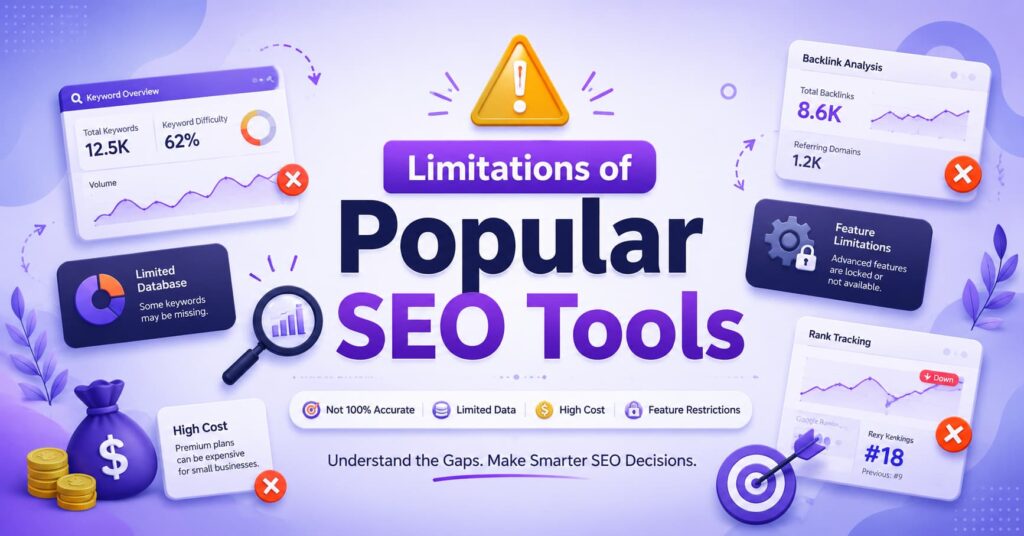
- Search volume is an estimate:- Even the best keyword search tool relies on modeled data, and figures can vary noticeably between platforms for the same keyword.
- Cost adds up quickly:- Running several paid subscriptions, a keyword tool, a rank tracker, a content optimizer can become expensive for small teams.
- Learning curve:- Some of the most popular SEO tools, like Semrush and Ahrefs, have dense dashboards that can overwhelm new users at first.
- No tool replaces human judgment:- Popular SEO tools can’t tell you whether content is genuinely useful or accurate; that still requires a reviewer with real subject-matter knowledge.
- Free tiers are limited:- Most free versions of these platforms cap the number of keywords, URLs, or reports available per month, which can slow down larger projects.
- Data lag and discrepancies:- Keyword research search volume figures can lag behind sudden spikes in interest, since most tools update on a monthly or weekly cycle rather than in real time.
- Algorithm changes outpace tool updates:- Search engines update ranking systems frequently, and even the best keyword search tool can lag behind the latest shifts in how content gets rewarded.
A Detailed Features Study of Popular SEO Tools
| Tool | Core Focus | Keyword Research Search Volume Data | Free Tier | Best For |
| Semrush | All-in-one SEO suite | Large, regularly updated volume index | Limited trial | Agencies, competitive research |
| Ahrefs | Backlinks & keyword gaps | Volume + CTR + difficulty scoring | Very limited | Competitive keyword strategy |
| Google Keyword Planner | Advertiser-focused keyword data | Direct from Google, broader ranges | Free with Ads account | Baseline volume research |
| Google Search Console | First-party performance data | Actual query impressions, not estimates | Fully free | Every website owner |
| Ubersuggest | Beginner keyword research | Basic volume estimates | Generous free tier | Small businesses, beginners |
| Moz Keyword Explorer | Grouped keyword discovery | Volume + priority score | Limited free tools | Marketers wanting clear prioritization |
| Answer The Public | Question & intent discovery | Search-based question clusters | Limited free searches | Content ideation |
| Screaming Frog | Technical site crawling | None | Free up to 500 URLs | Technical audits |
| Surfer SEO | Content structure optimization | None | Trial only | Content briefs at scale |
| Yoast / Rank Math | On-page content guidance | None | Generous free tier | WordPress content creators |
Lined up side by side, these popular SEO tools reveal a clear pattern: no single platform covers keyword research, technical health, and content structure all equally well. A well-rounded approach usually combines a dedicated keyword research search volume source (Semrush, Ahrefs, or Google Keyword Planner), a first-party performance tool (Google Search Console), a technical crawler (Screaming Frog), and a content-structuring tool (Surfer SEO or Answer The Public). Together, these popular SEO tools give a much fuller picture than any single dashboard could on its own.
How to Choose the Right Mix of Popular SEO Tools
Deciding which popular SEO tools deserve a place in your workflow depends on three factors: your budget, the size of your site, and the specific gap you’re trying to close.
If you’re just getting started, lean on free resources first. Google Search Console and Google Keyword Planner are both free and give you first-party data straight from Google, while Screaming Frog’s free crawl limit covers technical basics for smaller sites. Among these entry-level popular SEO tools, this combination alone can carry a small business a long way before any paid subscription becomes necessary.
As your content operation grows, investing in a dedicated platform like Semrush or Ahrefs starts to pay for itself. Having access to the best keyword search tool for deeper research one that shows not just keyword research search volume but also difficulty, click-through potential, and competitor gaps, becomes essential once you’re publishing regularly and need to prioritize topics efficiently. Pair that with Surfer SEO or a similar content optimizer once volume increases and you need consistent briefs across multiple writers.
Larger sites and enterprise teams often need the full stack: a comprehensive research platform for keyword research search volume and competitive tracking, a technical crawler for large-scale audits, and a rank tracking system that monitors position across multiple markets and devices. Whatever mix you land on, remember that popular SEO tools surface data, they don’t create trust on their own.
The sites that hold up best over time are the ones that pair these platforms with genuinely well-researched content, clear and consistent authorship, and accurate information repeated reliably across the web. That combination is what earns a spot in traditional rankings and a mention when an AI-driven summary answers a question without the user ever clicking through.
Bringing It All Together
The most popular SEO tools available today go well beyond simple keyword lists. They help you understand real keyword research search volume, identify the best keyword search tool for your specific needs, catch technical issues before they cost you traffic, and structure content around the actual questions people are asking. A strong approach typically blends free tools like Google Search Console and Google Keyword Planner for the fundamentals with a paid platform like Semrush or Ahrefs for deeper competitive and keyword intelligence.
There’s no single “best” tool for every website the right popular SEO tools are the ones that match your budget, your site’s size, and the specific gaps in your current strategy. Start with the free layer, add a dedicated research platform once keyword prioritization becomes a bottleneck, and round things out with a technical crawler and a content structuring tool as your site scales. Used together, these popular SEO tools give you the clearest possible view of where you stand and what it will take to move up.
Frequently Asked Questions
1. What are the most popular SEO tools for beginners?
For beginners, the most popular SEO tools are usually free ones: Google Search Console and Google Keyword Planner for first-party data, Screaming Frog for a basic technical audit, and Ubersuggest as an accessible best keyword search tool option before investing in a paid platform.
2. How accurate is keyword research search volume data across different tools?
Keyword research search volume figures can vary between platforms because each tool uses its own modeling and data sources. Google Keyword Planner tends to give broader ranges since it comes directly from Google, while paid platforms like Semrush and Ahrefs often provide more granular estimates alongside difficulty and click-through data.
3. What is the best keyword search tool for a small business on a limited budget?
Ubersuggest and Google Keyword Planner are both strong starting points as a best keyword search tool for smaller budgets, since both offer meaningful keyword research search volume data without a paid subscription. As budget allows, upgrading to Semrush or Ahrefs adds deeper competitive insight.
4. Can I rely only on free versions of popular SEO tools?
Yes, for smaller sites. A combination of Google Search Console, Google Keyword Planner, Screaming Frog’s free crawl, and Ubersuggest can cover keyword research, technical audits, and basic performance tracking without any cost. As a site grows, paid popular SEO tools become more valuable for deeper competitive and volume data.
5. How often should I revisit keyword research search volume data using these tools?
Most marketers review keyword research search volume quarterly, or sooner if they notice a shift in traffic or industry trends. Using popular SEO tools to re-check volume and competition regularly helps ensure your content strategy stays aligned with what people are actually searching for.
Know more About Us

Hi, I’m Rufqha, the SEO Manager at AIBlogMind. I focus on building content strategies that help websites improve visibility, attract the right audience, and create sustainable organic growth. My expertise includes on-page SEO, keyword research, content optimization, and aligning SEO with user experience and business goals.