

Marketing Automation: 14 Essential Strategies to Scale Business Growth
Imagine running a business where every email, every follow-up, every social media post, and every lead nurture sequence is handled by a human being, one task at a time. Exhausting, right? This is the reality for thousands of businesses that have not yet embraced marketing automation.
The modern buyer’s journey is fast, complex, and highly personalized. Customers expect the right message at the right time, and they expect it without delay. If your marketing team is still stuck in manual workflows, you are not just losing time. You are losing revenue.
Marketing is the solution. It is a game-changing approach that allows businesses to automate repetitive marketing tasks, streamline communication, nurture leads at scale, and drive consistent revenue growth, all without burning out your team.
In this article, we will explore what marketing automation is, why it matters, and the 14 essential strategies you need to scale your business growth using the right marketing automation tools and marketing software available today.
What Is Marketing Automation?
Marketing automation refers to the use of technology and software to automatically execute, manage, and analyze marketing tasks and campaigns. Instead of manually sending emails, posting on social media, or scoring leads, marketing tools handles these processes based on predefined rules, triggers, and customer behavior.
With the right marketing automation tools, businesses can deliver highly personalized experiences at scale, track customer interactions across multiple channels, and make data-driven decisions that improve ROI.
Marketing automation is not just for large enterprises. Small and mid-sized businesses are increasingly adopting marketing software to compete with bigger players, reduce operational overhead, and build stronger customer relationships.
Benefits of Marketing Automation
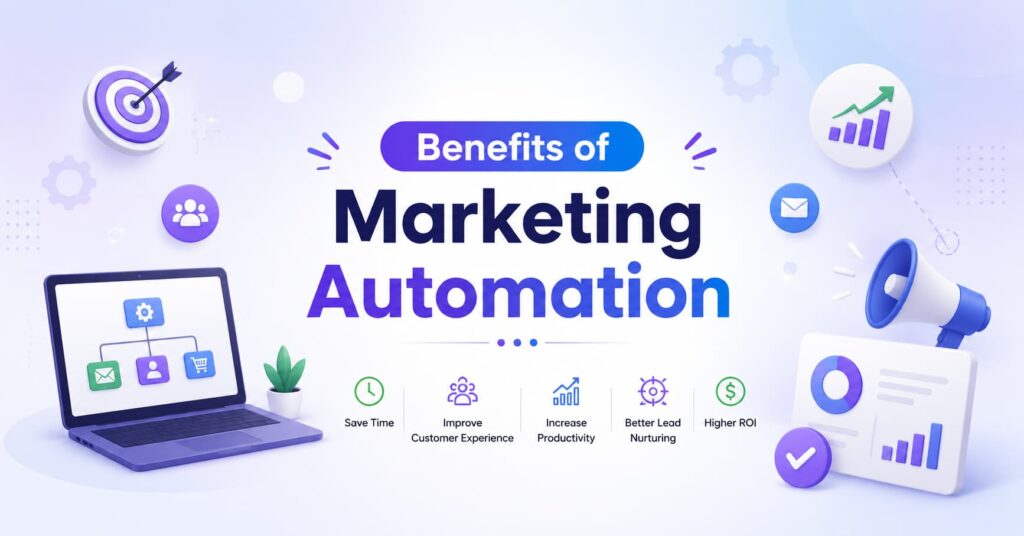
Understanding the benefits of marketing automation is key before diving into strategy. Here is why thousands of businesses are investing in marketing software every year.
1. Saves Time and Reduces Manual Work Marketing automation eliminates repetitive tasks. Your team no longer needs to manually send welcome emails, follow up with cold leads, or schedule social posts one by one. Marketing handles it all in the background.
2. Improves Lead Nurturing With marketing automation, you can guide leads through the entire sales funnel with personalized, timely content. Marketing tools allow you to send the right message based on where a prospect is in their journey, dramatically improving conversion rates.
3. Increases Revenue Businesses that use marketing automation consistently report higher revenue growth. Marketing software helps identify high-intent leads, close deals faster, and re-engage inactive customers all of which directly impact your bottom line.
4. Enhances Personalization Modern marketing automation tools allow you to segment your audience deeply and deliver personalized experiences at every touchpoint. Whether it is a birthday email or a behavior-triggered offer, marketing automation makes personalization scalable.
5. Delivers Better Analytics Marketing automation software provides detailed reports on campaign performance, customer behavior, and ROI. With these insights, your team can refine strategies and double down on what works.
6. Aligns Marketing and Sales One of the biggest benefits of marketing automation is how it bridges the gap between marketing and sales. Marketing tools can automatically hand off qualified leads to the sales team, reducing friction and improving close rates.
Limitations of Marketing Automation
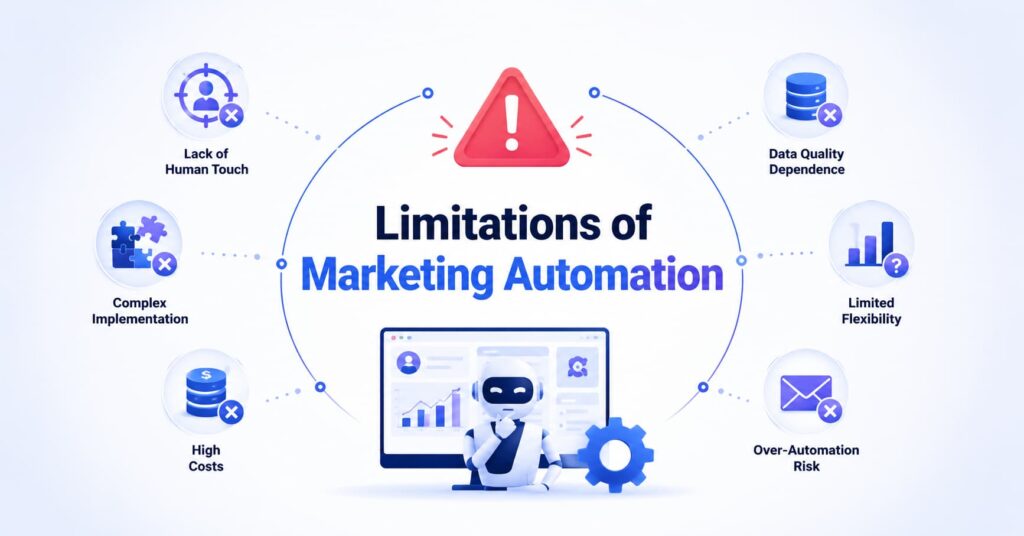
While marketing automation is powerful, it is important to go in with realistic expectations. Here are a few limitations to keep in mind.
1. Requires Initial Setup and Strategy Marketing automation does not run itself right out of the box. You need a clear strategy, defined workflows, and quality content before marketing software can deliver results. Poor setup leads to poor outcomes.
2. Risk of Over-Automation Over-relying on marketing automation can make your brand feel robotic. Customers still crave authentic human interaction. Marketing tool should enhance not replace human connection.
3. Can Be Costly for Small Businesses Some enterprise-level marketing tools come with significant price tags. Smaller businesses must carefully evaluate which marketing software fits their budget and needs.
4. Learning Curve Advanced marketing automation platforms can be complex. Your team may need training to get the most out of marketing software, which takes time and resources.
5. Data Quality Dependency Marketing automation is only as good as the data it works with. If your customer data is incomplete or inaccurate, your marketing campaigns will underperform.
Marketing Automation: 14 Essential Strategies to Scale Business Growth
Now let us get into the core of this article, the 14 essential marketing automation strategies that will help you scale your business effectively.
Strategy 1: Automate Your Welcome Email Series
The first impression matters. When a new subscriber joins your list, marketing automation should immediately trigger a welcome email series. This sequence introduces your brand, sets expectations, and begins building trust. Marketing tools make this seamless no manual sending required.
Strategy 2: Build Behavior-Based Email Workflows
Stop sending the same email to every subscriber. Marketing automation allows you to trigger emails based on specific user behavior like visiting a pricing page, downloading a resource, or abandoning a cart. Behavior-based workflows powered by marketing software convert at significantly higher rates than generic blasts.
Strategy 3: Use Lead Scoring to Prioritize Prospects
Not all leads are created equal. With marketing automation, you can assign scores to leads based on their engagement, demographics, and actions. Marketing automation tools then route high-scoring leads directly to your sales team, ensuring your reps focus their energy on the most promising opportunities.
Strategy 4: Automate Social Media Scheduling and Posting
Maintaining a consistent social media presence is time-consuming. Marketing automation tools like Buffer, Hootsuite, and others allow you to schedule posts in advance, recycle top-performing content, and analyze engagement, all automatically. Marketing tool frees your team to focus on creative strategy rather than manual scheduling.
Strategy 5: Set Up Drip Campaigns for Lead Nurturing
Drip campaigns are a cornerstone of marketing automation. Using marketing software, you can send a series of pre-written, timed emails that gradually educate and move leads down the funnel. Whether it is a seven-day onboarding sequence or a 30-day nurture campaign, marketing makes drip campaigns effortless to execute.
Strategy 6: Personalize Landing Pages with Dynamic Content
Marketing automation is not limited to email. Advanced marketing tools allow you to dynamically change landing page content based on who is viewing it their location, industry, or previous behavior. Personalized landing pages dramatically increase conversion rates, and marketing makes it possible at scale.
Strategy 7: Automate Retargeting Campaigns
Many visitors leave your website without converting. Marketing software integrated with paid advertising platforms allows you to automatically retarget these visitors with relevant ads across Google, Facebook, and other channels. Marketing automation ensures no potential customer slips through the cracks.
Strategy 8: Implement CRM Integration for a Unified Customer View
Marketing automation only reaches its full potential when it is connected to your CRM. By integrating your tools with your CRM, you create a single source of truth for every customer interaction. Sales and marketing teams gain a complete picture of each lead, enabling smarter, faster decisions.
Strategy 9: Automate Post-Purchase Follow-Up Sequences
The customer journey does not end at checkout. Marketing automation enables you to automatically follow up with buyers through thank-you emails, product usage tips, cross-sell suggestions, and review requests. These automated sequences improve customer satisfaction and increase lifetime value.
Strategy 10: Use Marketing Automation for Event Promotion
Whether you are hosting a webinar, a product launch, or an in-person event, marketing software can handle the entire promotional workflow. From initial invitations to reminder emails to post-event follow-ups, marketing tools keeps your audience engaged throughout the entire event lifecycle.
Strategy 11: Automate Re-Engagement Campaigns for Inactive Subscribers
Every email list has dormant subscribers. Rather than letting them go cold, marketing tools allows you to automatically identify and reach out to inactive contacts with re-engagement campaigns. Marketing software can even automatically remove subscribers who remain unresponsive, keeping your list clean and your deliverability high.
Strategy 12: Leverage Chatbots as a Marketing Automation Tool
Chatbots are a powerful form of marketing tools. By deploying AI-powered chatbots on your website or social media, you can automatically qualify leads, answer FAQs, book appointments, and guide visitors toward conversion, 24 hours a day, 7 days a week. Marketing through chatbots ensures no lead goes unattended.
Strategy 13: Automate Customer Feedback and Survey Collection
Gathering customer feedback is essential for growth, but doing it manually is tedious. Marketing software can automatically send surveys at key moments in the customer journey after a purchase, after a support interaction, or after a specific number of months as a customer. Marketing is ensures you consistently collect the insights you need to improve.
Strategy 14: Monitor, Test, and Optimize Your Automation Workflows
The final, and most critical, strategy is to continuously optimize your marketing tools workflows. Use A/B testing, analytics dashboards, and performance reports built into your marketing tools to identify what is working and what needs improvement. Marketing tool is not a set-it-and-forget-it solution. Regular review and refinement are what separate average results from exceptional ones.
Top Marketing Automation Tools to Consider
Choosing the right marketing software is crucial. Here is a brief overview of the most widely used marketings automation tools on the market today.
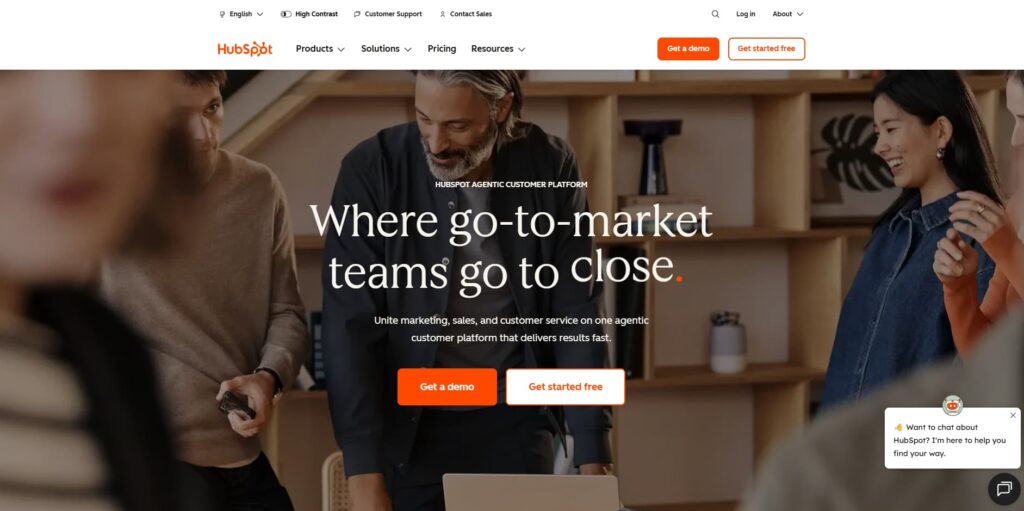
HubSpot – One of the most comprehensive marketing tools platforms available. HubSpot’s marketing software covers email, CRM, social media, landing pages, and analytics in one unified system. Ideal for businesses of all sizes.
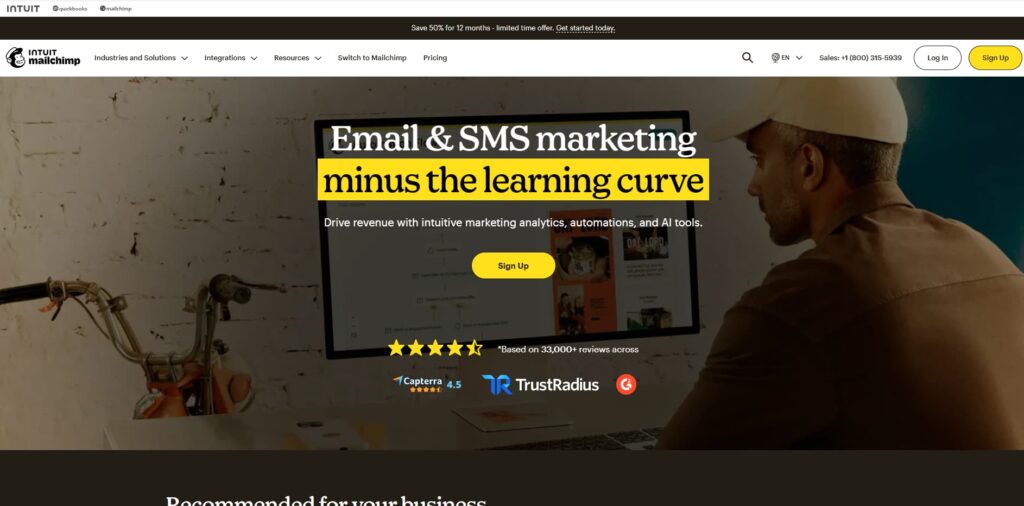
Mailchimp – A beginner-friendly marketing tool, especially popular with small businesses. Mailchimp offers robust email marketing tools, audience segmentation, and basic CRM functionality at an accessible price point.
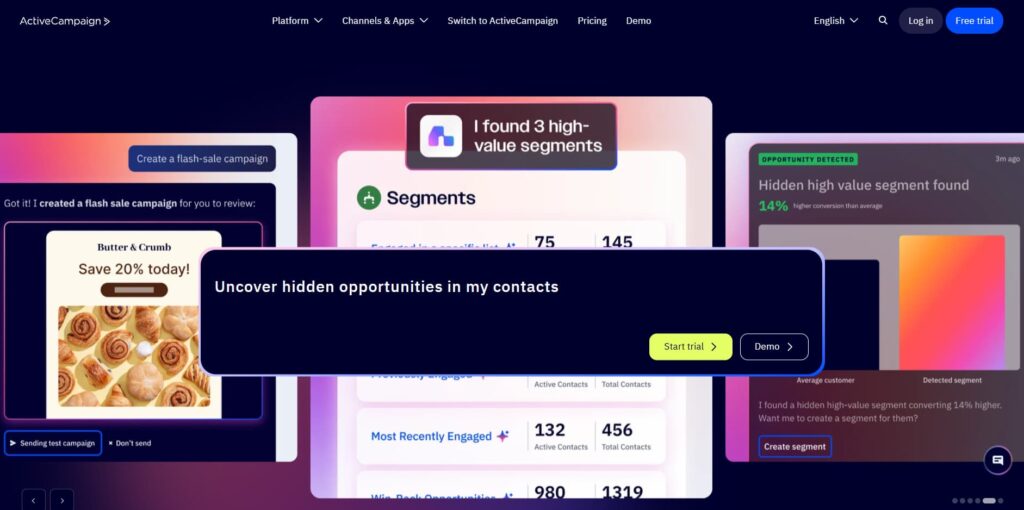
ActiveCampaign – A powerful marketing software known for its advanced email workflows and CRM integration. ActiveCampaign’s marketing tools are particularly strong for businesses that rely heavily on personalized email sequences.
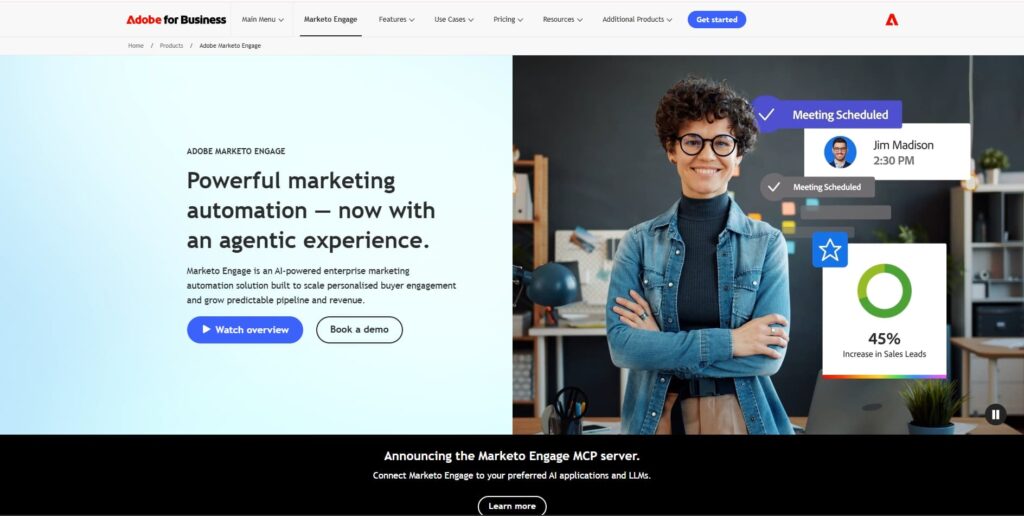
Marketo (Adobe) – An enterprise-grade marketing tools platform favored by large organizations. Marketo offers deep analytics, account-based marketing, and complex workflow capabilities.
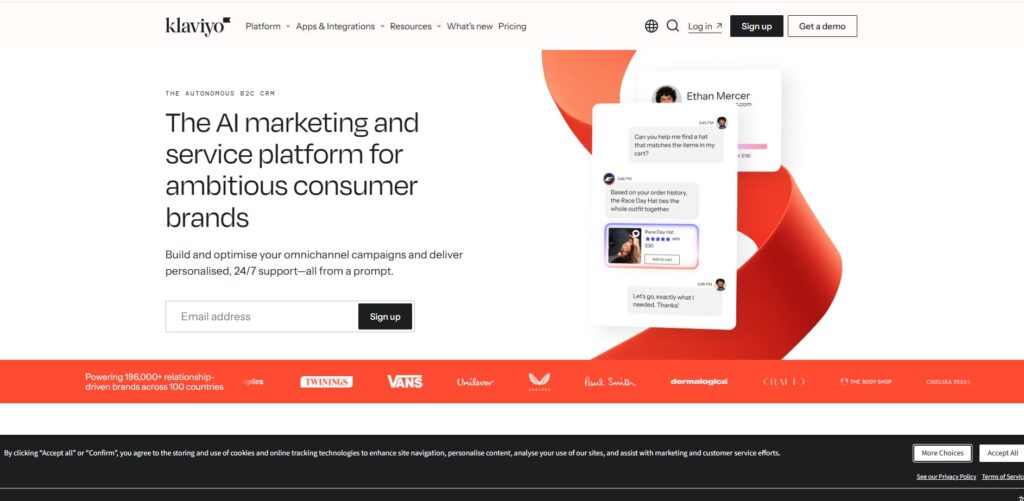
Klaviyo – A marketing tools software purpose-built for eCommerce. Klaviyo’s marketings automation tools integrate natively with Shopify and WooCommerce, making it the go-to choice for online retailers.
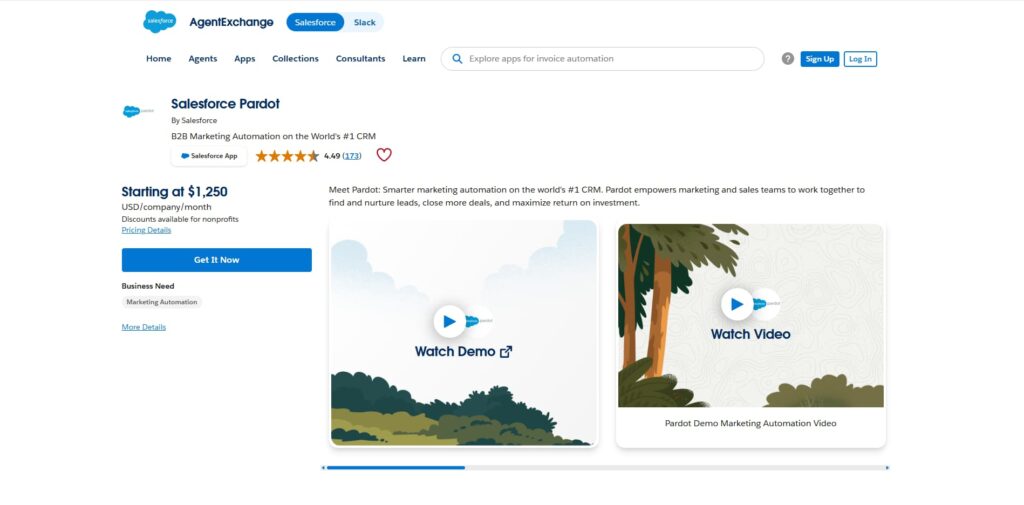
Pardot (Salesforce) – A marketing automation tool designed for B2B companies using Salesforce. Pardot’s marketing automation software offers strong lead scoring, nurturing, and CRM integration.
Comparing Marketing Automation Tools: What to Look For
When comparing marketing automation software options, consider these core criteria.
Ease of Use – The best marketing automation tools are intuitive. Look for platforms with drag-and-drop workflow builders, clear dashboards, and strong onboarding support.
Integration Capabilities – Your marketing automation software must integrate seamlessly with your existing tech stack, CRM, eCommerce platform, analytics tools, and more.
Scalability – As your business grows, your marketing automation tools should grow with you. Choose marketing automation software that offers flexible pricing plans and advanced features you can unlock over time.
Reporting and Analytics – Robust reporting is non-negotiable. Your marketing tools platform should give you clear visibility into campaign performance, lead behavior, and revenue attribution.
Customer Support – Even the best marketing automation software runs into issues. Prioritize platforms with strong customer support, thorough documentation, and active user communities.
How to Choose the Right Marketing Automation Software
Selecting the right marketing tools software is a decision that will impact your entire marketing operation. Follow these steps to make the right choice.
Step 1 – Define Your Goals Before evaluating any marketing automation tools, clarify what you want to achieve. Are you focused on lead generation, customer retention, or revenue growth? Your goals will determine which marketing automation software features matter most.
Step 2 – Audit Your Current Tech Stack Review your existing tools and identify where marketing tools would have the greatest impact. Choose marketing automation software that integrates with your current systems to avoid data silos.
Step 3 – Set a Budget Marketing automation tools vary widely in cost. Establish a clear budget and look for marketing tools software that delivers the highest value within your price range.
Step 4 – Request Demos and Free Trials Never commit to marketing tools software without testing it first. Take advantage of free trials and live demos to evaluate usability, features, and support quality.
Step 5 – Start Simple and Scale You do not need to implement every marketing automation strategy on day one. Start with a few high-impact workflows, measure results, and gradually expand your use of marketing software tools as your confidence and capability grow.
Final Verdict
Marketing tools is no longer a luxury reserved for enterprise companies. It is an essential growth strategy for any business that wants to compete in today’s fast-paced digital landscape.
By implementing the 14 marketing tools strategies outlined in this article, you will be positioned to save time, nurture leads more effectively, personalize customer experiences at scale, and ultimately grow your revenue.
The key is to start with a clear strategy, choose the right marketing software for your needs, and commit to continuously optimizing your workflows. Marketing rewards those who are intentional and consistent.
Whether you are just getting started with marketing automation or looking to take your existing efforts to the next level, the right marketing tools are available to help you achieve your goals. The time to automate is now.
Frequently Asked Questions (FAQs)
Q1: What is marketing automation?
Marketing tools is the use of software to automatically execute marketing tasks such as sending emails, nurturing leads, posting on social media, and scoring prospects. Marketing tools allows businesses to deliver personalized experiences at scale without manual effort.
Q2: What are the best marketing automation tools for small businesses?
For small businesses, popular marketing tools include Mailchimp, ActiveCampaign, and HubSpot’s free tier. These marketing software options are affordable, user-friendly, and offer robust features for growing teams.
Q3: How much does marketing automation software cost?
The cost of marketing software varies widely. Entry-level marketing tools can start as low as $15–$50 per month, while enterprise-grade marketing tool platforms can cost thousands of dollars per month. Most marketing software providers offer tiered pricing based on contact volume and features.
Q4: Can marketing automation replace my marketing team?
No. Marketing automation is designed to support and enhance your marketing team, not replace it. Marketing tool handles repetitive, time-consuming tasks so your team can focus on strategy, creativity, and relationship-building. Human oversight is essential for effective marketing automation.
Q5: How long does it take to see results from marketing automation?
Results from marketing tools vary depending on your goals, strategy, and the quality of your content. Most businesses begin seeing measurable improvements within 30 to 90 days of implementing marketing tool workflows. Long-term, consistent use of marketing software produces the most significant gains.
Q6: What is the difference between email marketing and marketing automation?
Email marketing is a component of marketing tool. While email marketing typically involves sending broadcast messages to a list, marketing goes further triggering personalized emails based on user behavior, scoring leads, integrating with CRM systems, and coordinating campaigns across multiple channels. Marketing is a broader, more intelligent system.
Q7: Is marketing automation suitable for B2B companies?
Absolutely. Marketing tools is widely used in B2B marketing for lead generation, account-based marketing, lead nurturing, and sales alignment. Marketing tools like Pardot, Marketing tool, and HubSpot are specifically built with B2B workflows in mind.
Follows Us on social media

Mohammed Viqar Ali is a Digital Marketer, UI/UX Designer, and content creator passionate about AI, technology, SEO, and digital growth. As the UI/UX Designer of aiblogmind, he focuses on creating user-friendly digital experiences while sharing practical insights on artificial intelligence, marketing trends, productivity tools, and online business growth. Through his content, he helps readers discover innovative solutions, stay updated with emerging technologies, and make informed decisions in the digital world.