

Market Segmentation for Business Success: Full Guide in 2026
What if you could stop guessing what your customers want and start knowing it with confidence? That is the promise of market segmentation and in 2026, it has never been more achievable or more essential.
Here is the problem most businesses face today. Marketing budgets are tighter than ever, competition is fiercer than ever, and consumer attention spans are shorter than ever. Brands that broadcast generic messages to everyone are being ignored. Meanwhile, brands that speak directly to specific groups of people — their exact needs, their specific pain points, their unique values are winning loyal customers at scale.
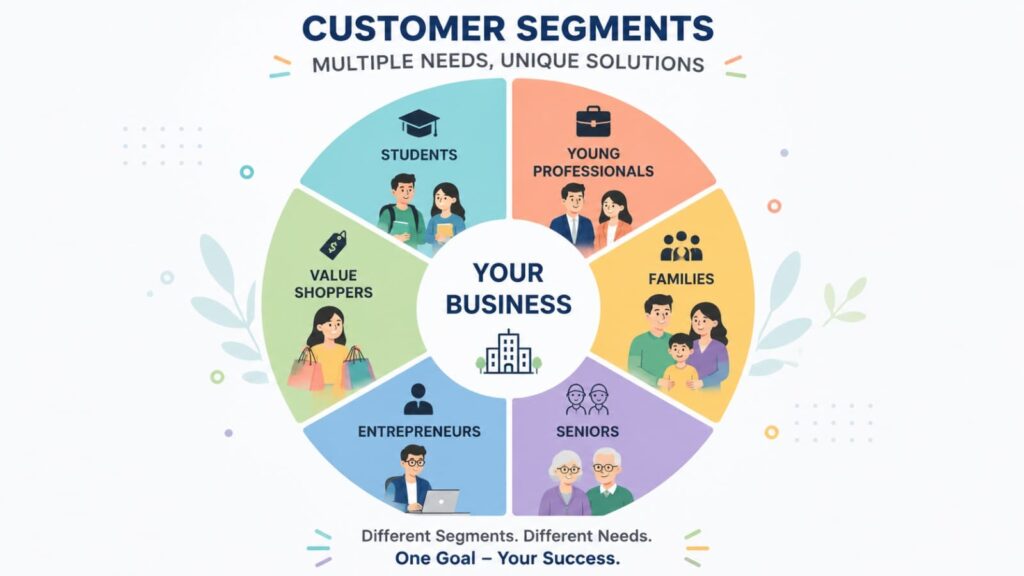
The solution is market segmentation. Market segmentation is the strategic process of dividing a large, diverse audience into smaller, more defined groups called market segments. Each market segment shares common characteristics that make them respond similarly to a given product, offer, or message. When you truly understand each market segment, you stop wasting resources and start building real connections.
This ultimate guide to market segmentation in 2026 will walk you through everything you need to know — what it is, how AI tools are transforming it, the best tools available, and how to choose the right approach for your business. Whether you are a marketer, founder, or strategist, this guide will give you the clarity and confidence to execute market segmentation at the highest level.
What Is Market Segmentation and Why Does It Matter in 2026?
Market segmentation is not a new concept, but the way businesses practice market segmentation has changed dramatically. In 2026, data is more abundant, AI is more accessible, and customer expectations are higher than ever. This combination makes effective market segmentation both more powerful and more necessary than it has ever been.
At its core, market segmentation means identifying distinct groups within your total addressable market. Each market segment has its own motivations, behaviors, and preferences. When you tailor your strategy to each market segment, your marketing becomes more relevant, your products become more useful, and your brand becomes more trusted.
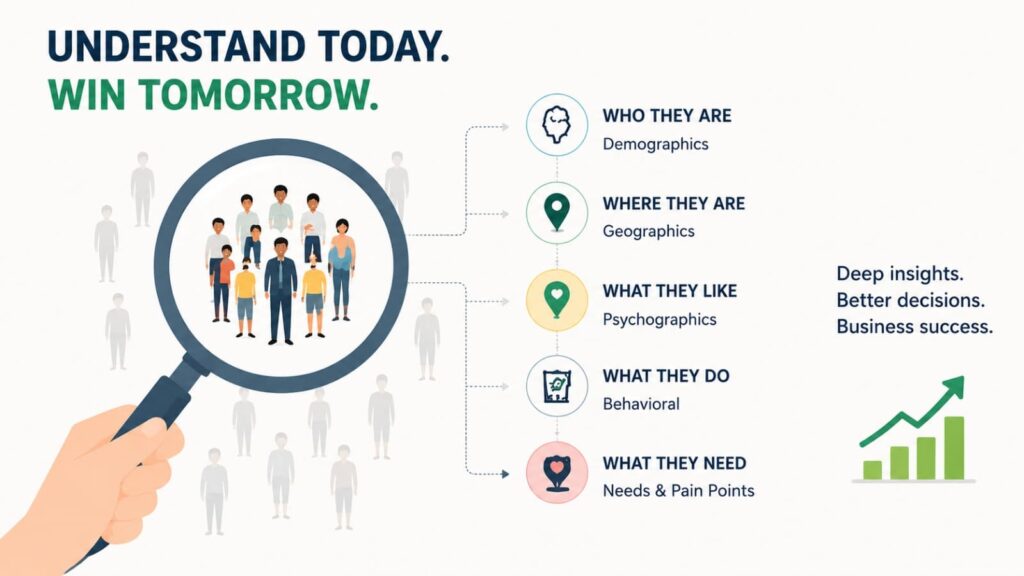
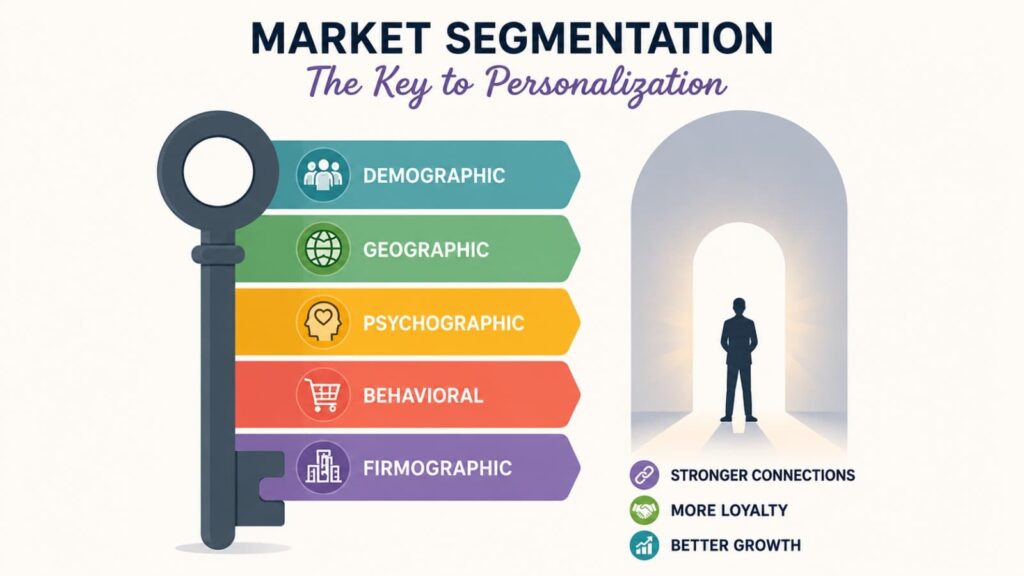
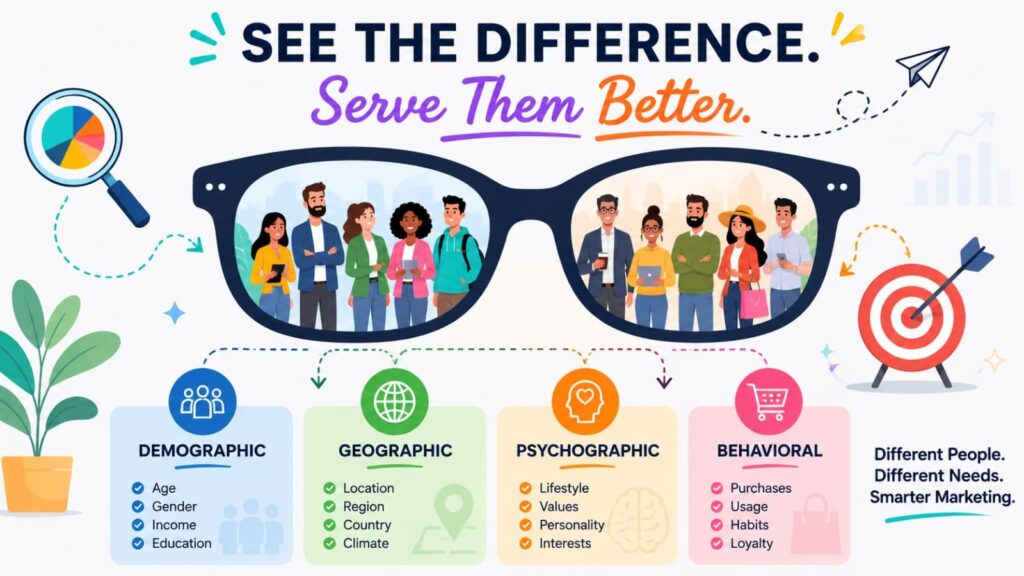
When marketers discuss market segmentation today, they are not just talking about splitting customers by age or location. Modern market segmentation uses behavioral data, AI-driven insights, psychographic profiling, and real-time intent signals to build highly accurate audience profiles. This depth of understanding is what separates high-performing brands from those that struggle to grow.
Benefits of AI Tools in Market Segmentation
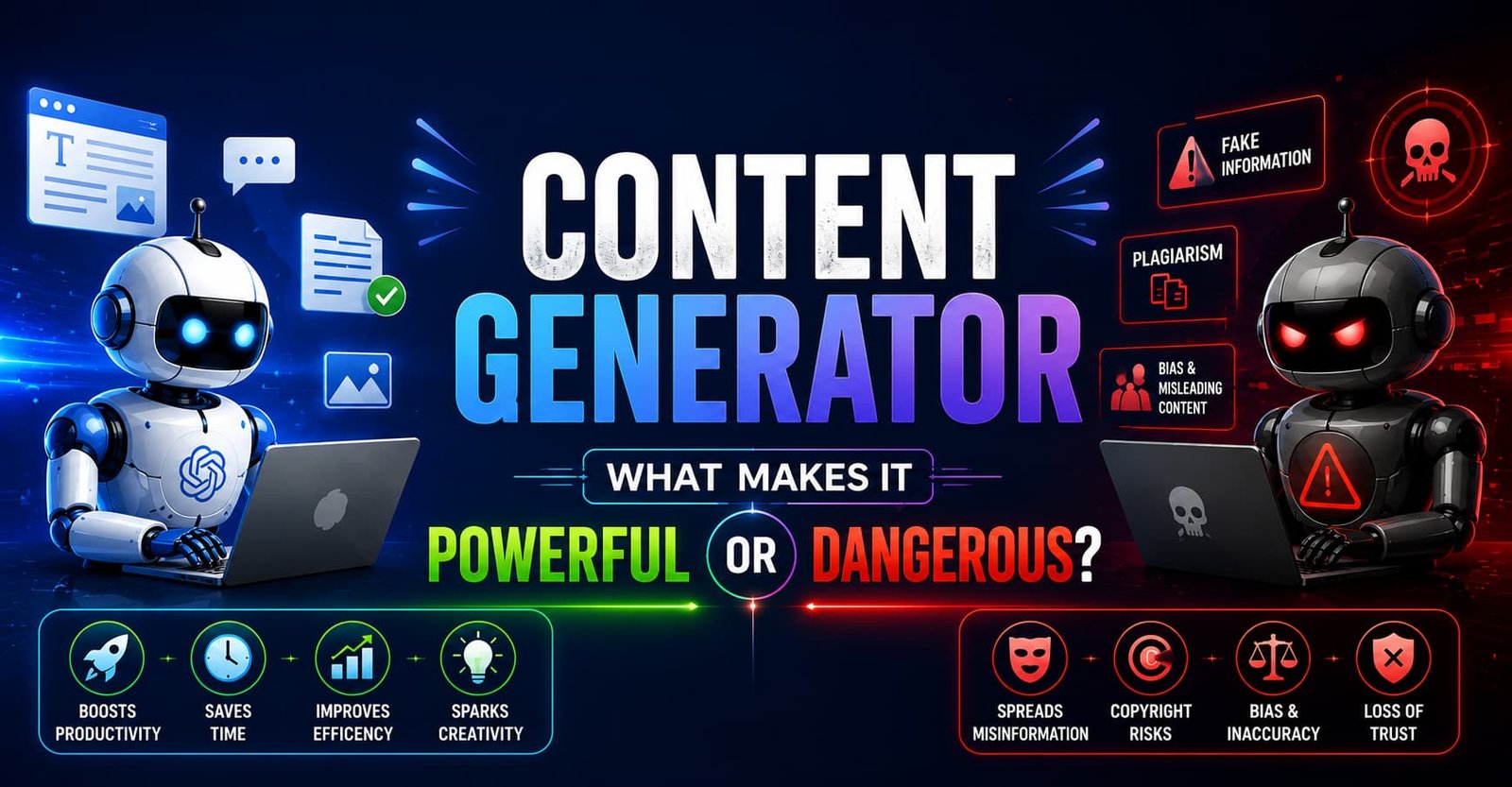
Artificial intelligence has fundamentally changed how businesses approach market segmentation. The manual process of analyzing spreadsheets and drawing rough audience boundaries has been replaced by intelligent systems that process millions of data points in seconds.
Here is how AI tools are transforming market segmentation in 2026.
Speed and Scale: Traditional market segmentation could take weeks of research and analysis. AI tools can process enormous datasets and identify meaningful market segments in a fraction of the time. This speed allows businesses to react quickly to market changes and update their market segmentation strategies in near real time.
Deeper Pattern Recognition: Humans can only detect patterns visible to the naked eye. AI tools find hidden correlations across hundreds of variables simultaneously — purchase behavior, browsing history, content preferences, seasonal trends, and more. This results in market segments that are far more nuanced and accurate than anything built manually.
Predictive Segmentation: One of the biggest advances in market segmentation is predictive modeling. AI tools can look at historical data from each market segment and predict future behavior — who is about to churn, who is ready to upgrade, and who is most likely to respond to a specific offer. This moves market segmentation from reactive to proactive.
Personalization at Scale: Once AI identifies each market segment, it can automatically trigger personalized content, emails, ads, and product recommendations for each group. This level of personalization at scale was impossible before AI. Today, it is the standard that consumers expect.
Continuous Learning and Optimization: Unlike static market segmentation models that go stale, AI-powered systems continuously learn from new data. As customer behavior evolves, the market segments update automatically, keeping your strategy accurate and relevant without constant manual intervention.
Cost Efficiency: By focusing your budget on the most valuable market segments and personalizing outreach to each one, AI-driven market segmentation dramatically improves your return on marketing investment. You spend less, reach better, and convert more.
Limitations of AI Tools in Market Segmentation
While AI tools have revolutionized market segmentation, it is important to discuss market segmentation limitations alongside the benefits. No tool is perfect, and understanding the drawbacks helps you use AI more wisely.
Data Quality Dependency: AI-powered market segmentation is only as good as the data it is trained on. If your customer data is incomplete, biased, or outdated, the market segments your AI tool generates will reflect those flaws. Garbage in, garbage out — this principle applies directly to AI-driven market segmentation.
Privacy and Compliance Risks: In 2026, data privacy regulations are stricter than ever. Using personal data for market segmentation requires careful compliance with laws like GDPR, CCPA, and regional equivalents. Mishandling customer data — even unintentionally — can result in legal consequences and severe damage to brand trust.
Over-Segmentation Risk: AI tools are incredibly good at finding differences between groups. Left unchecked, this can lead to over-segmentation — creating so many tiny market segments that campaigns become unmanageable and too narrow to be cost-effective. Smart marketers know when to merge smaller segments back into broader, more actionable groups.
Black Box Problem: Many AI models operate as “black boxes,” meaning they produce results without clearly explaining why. When you cannot explain why a particular market segment was created, it becomes difficult to build strategy around it or gain buy-in from stakeholders.
High Implementation Cost: Premium AI tools that offer advanced market segmentation capabilities often come with significant price tags. For smaller businesses, the cost of implementing and maintaining these tools can be prohibitive without a clear ROI plan.
Human Judgment Still Required: AI can identify patterns, but it cannot replace human intuition and contextual judgment. Effective market segmentation still requires skilled marketers to interpret AI outputs, validate market segments against real-world knowledge, and make strategic decisions about how to engage each group.
Top AI Tools for Market Segmentation in 2026
The market for AI-driven market segmentation tools has exploded. Here are the leading platforms that businesses are using to transform how they identify and engage each market segment.
HubSpot with AI Segmentation: HubSpot remains a favorite for B2B and B2C marketers when they discuss market segmentation in practice. Its AI-powered contact segmentation automatically groups your CRM data into meaningful market segments based on behavior, lifecycle stage, and engagement history. The platform is approachable for teams without deep technical expertise and integrates seamlessly with email, sales, and CMS tools.
Salesforce Einstein: Salesforce Einstein takes market segmentation to an enterprise level. It uses predictive AI to score leads, identify high-value market segments, and trigger personalized journeys across email, mobile, and advertising channels. For large organizations with complex customer databases, Einstein provides one of the most powerful market segmentation engines available.
Segment (by Twilio): Segment is a customer data platform that excels at collecting and unifying customer data from every touchpoint, then feeding it into markets segmentation workflows. In 2026, its AI capabilities allow businesses to build dynamic market segments that update in real time based on customer actions. It is particularly strong for digital-first businesses that need fast, accurate markets segmentation at scale.
Klaviyo: Klaviyo is the go-to markets segmentation tool for ecommerce brands. Its predictive analytics engine identifies high-value market segments, predicts customer lifetime value, and flags churn-risk groups automatically. Klaviyo makes it easy to act on each market segment through tightly integrated email and SMS campaigns.
Adobe Real-Time CDP: Adobe’s Real-Time Customer Data Platform is designed for enterprise brands that need to consolidate data from dozens of sources and build accurate market segments in real time. It is especially powerful for omnichannel market segmentation, allowing brands to deliver consistent, personalized experiences across web, mobile, in-store, and advertising.
Clearbit: Clearbit specializes in firmographic and technographic market segmentation for B2B companies. It enriches your existing customer and lead data with company size, industry, tech stack, and funding stage, allowing you to build precise B2B market segments without hours of manual research.
Google Analytics 4 with Audience Builder: For businesses that want to start their market segmentation journey without significant tool investment, Google Analytics 4 offers a powerful free starting point. Its Audience Builder feature lets you create behavioral market segments based on website activity and push them directly into Google Ads for targeted campaigns.
Amplitude: Amplitude is a product analytics platform that excels at behavioral market segmentation. It helps product teams and marketers identify market segments based on in-app behavior, feature usage, and engagement patterns — ideal for SaaS businesses that want to understand and grow specific user groups.
Comparison: Choosing the Right Market Segmentation Tool
When you discuss market segmentation tool selection, the conversation quickly becomes about fit — fit with your business size, your data maturity, your budget, and your goals.
HubSpot and Klaviyo are the best starting points for small to mid-sized businesses. They are user-friendly, affordable, and deliver strong audience segmentation capabilities without requiring a data science team.
Salesforce Einstein and Adobe Real-Time CDP are built for enterprise organizations with large, complex datasets. They offer the deepest market capabilities but require significant investment in both cost and implementation.
Segment and Amplitude sit in the middle — powerful, flexible, and well-suited for growth-stage companies that have solid data infrastructure and want to build sophisticated audience segmentation models without enterprise-level complexity.
Clearbit is the specialized choice for B2B companies doing firmographic audience segmentation. It is not a full marketing suite, but as a data enrichment layer, it is unmatched.
Google Analytics 4 is the right choice if you are just beginning to practice market and want a low-cost, accessible entry point before investing in a dedicated platform.
No single tool is best for every situation. The right market tool is the one that matches where your business is today while giving you room to grow your market capabilities tomorrow.
How to Choose the Right Market Segmentation Approach in 2026
Selecting the right market segmentation strategy requires clarity on four things: your data, your goals, your resources, and your customers.
Start with Your Data: The best market segmentation strategies are built on clean, reliable data. Audit what customer data you already have before choosing an approach. If you have rich behavioral data, intent-based and behavioral audience segmentation are strong choices. If your data is primarily demographic, start there and build toward more sophisticated segmentation over time.
Define Your Business Goals: Are you trying to reduce churn? Improve email open rates? Launch a new product to a specific audience? Different goals call for different market segmentation approaches. Lifecycle stage segmentation is best for retention. Needs-based segmentation is best for product development. Value-based segmentation is best for revenue optimization.
Consider Your Resources: Market segmentation requires ongoing investment — in tools, in data analysis, and in content creation for each market segment. Be realistic about what your team can execute and maintain. A simpler market segmentation model executed consistently will outperform a complex one that falls apart after the first campaign.
Know Your Customer Deeply: No AI tool replaces the value of genuine customer understanding. Talk to your customers. Run surveys. Read their reviews and social media posts. The insights you gather directly from real people will validate and enrich any market segmentation model you build.
Test and Iterate: Market segmentation is not a one-time exercise. Markets evolve, and your audience changes with them. Build a habit of reviewing your market segments quarterly, testing new approaches, and refining based on what the data tells you.
Final Verdict
In 2026, market segmentation is the backbone of every effective marketing strategy. The brands that grow consistently are the ones that truly understand their audience — not as a monolithic group, but as a collection of distinct market segments, each with unique needs, motivations, and behaviors.
AI tools have made market segmentation faster, smarter, and more precise than ever before. They have removed many of the traditional barriers that made market feel overwhelming. But the fundamentals remain the same: know your audience, divide them into meaningful groups, and speak to each market segment in a way that feels personal and relevant.
Whether you are just beginning to discuss audience segmentation in your organization or you are ready to take your existing strategy to the next level, the path forward is clear. Choose the right tools for your stage of growth, invest in clean and reliable data, and commit to an ongoing process of learning, testing, and refining.
Market is not a marketing tactic. It is a business philosophy. And in 2026, it is the clearest path to sustainable, meaningful growth.
FAQs About Market Segmentation in 2026
What is market segmentation? Market segmentation is the process of dividing your total audience into smaller groups — called market segments — based on shared characteristics such as demographics, behavior, needs, or values. The goal is to understand and serve each market segment more effectively than a one-size-fits-all approach allows.
Why is market segmentation more important in 2026? Consumer expectations for personalization are higher than ever, and competition for attention is fiercer. Audience segmentation allows businesses to cut through the noise by delivering messages and offers that feel tailor-made for each market segment, dramatically improving engagement and conversion rates.
How does AI improve market segmentation? AI improves market segmentation by processing large datasets quickly, identifying hidden patterns across many variables, enabling predictive segmentation, and automating personalization for each market segment. This makes audience segmentation faster, more accurate, and scalable.
What is the best tool for market segmentation in 2026? The best tool depends on your business size and goals. HubSpot and Klaviyo are excellent for small to mid-sized businesses. Salesforce Einstein and Adobe Real-Time CDP are industry leaders for enterprise audience segmentation. Segment and Amplitude are ideal for growth-stage digital businesses.
How many market segments should a business have? There is no universal answer, but each market segment should be large enough to justify a dedicated strategy and distinct enough to require unique messaging. Most businesses operate effectively with three to seven well-defined market segments. Avoid over-segmentation, which can spread resources too thin.
How often should market segmentation be reviewed? Market segmentation should be reviewed at least twice a year, or whenever you notice significant shifts in customer behavior, market conditions, or business goals. AI-powered tools can help you maintain more continuous market segmentation updates in real time.
Can small businesses benefit from market segmentation? Absolutely. In fact, market audience segmentation is one of the most powerful tools a small business has. By focusing on a specific, well-defined market segment rather than trying to serve everyone, small businesses can compete effectively against larger brands with bigger budgets.
What is the difference between market segmentation and targeting? Market segmentation is the process of dividing the broader market into distinct market segments. Targeting is the step that follows — selecting which market segment or segments your business will focus its marketing efforts on. You cannot target effectively without first doing proper audience segmentation.
Follows Us on social media

Mohammed Viqar Ali is a Digital Marketer, UI/UX Designer, and content creator passionate about AI, technology, SEO, and digital growth. As the UI/UX Designer of aiblogmind, he focuses on creating user-friendly digital experiences while sharing practical insights on artificial intelligence, marketing trends, productivity tools, and online business growth. Through his content, he helps readers discover innovative solutions, stay updated with emerging technologies, and make informed decisions in the digital world.